How Proofreading and Editing Improve Blood Donation Awareness
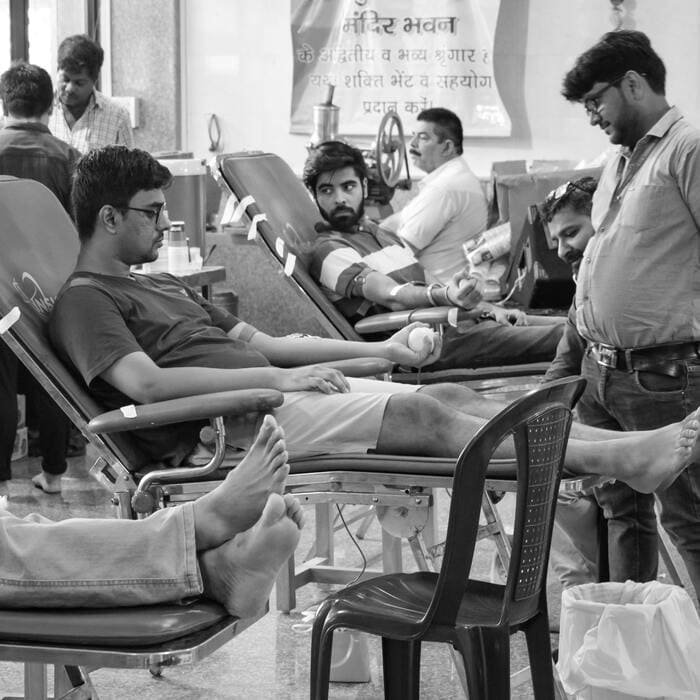
Clear, accurate, and engaging content can be the difference between someone scrolling past a message about blood donation and someone deciding to donate. Campaigns often invest heavily in visuals and outreach, but the quality of the written message is just as important. When information about eligibility, safety, and impact is polished through professional proofreading and editing, it becomes more trustworthy, more persuasive, and ultimately more effective in raising awareness and driving action.
Many organizations still underestimate the importance of reviewing their written materials with trained eyes. Understanding the value of copy editing vs proofreading can help blood donation campaigns refine their language, avoid confusion, and maintain a consistent tone across all communication channels, from websites and brochures to social media posts and donor emails.
1. Eliminating Errors to Build Trust in Blood Donation Messages
Blood donation is a topic that relies heavily on trust. People are being asked to volunteer their time and bodily resources, often facing fears about needles, health effects, or eligibility. When campaign materials contain spelling mistakes, grammar errors, or awkward phrasing, they can unintentionally signal carelessness or lack of credibility.
Proofreading ensures that the final version of every flyer, blog post, and information sheet is free from surface-level errors. This simple step can dramatically improve how potential donors perceive a blood center or campaign. Flawless language reflects professionalism, which helps reassure readers that the organization is detail-oriented and trustworthy—exactly what they want from a team handling their health and medical information.
2. Clarifying Complex Medical Information for Everyday Readers
Blood donation messaging often includes complex terms: hemoglobin levels, donation intervals, eligibility criteria, and safety protocols. Without careful editing, these details can quickly become confusing. When readers don’t fully understand what is required of them or how the process works, they may hesitate or decide not to donate.
Editing helps simplify, organize, and clarify complex content. Editors ensure that jargon is explained, sentences flow logically, and key points are easy to find. For instance, instead of dense paragraphs full of medical terminology, editors can convert information into short sections, clear headings, and bullet points. The result is content that removes confusion and answers common questions, making blood donation feel more accessible and less intimidating.
3. Highlighting the Most Important Calls to Action
Every effective awareness campaign needs clear calls to action: book an appointment, check your eligibility, share the campaign, or attend a local drive. In unedited content, these calls can get buried in long paragraphs or overly detailed explanations.
Through editing, the most important messages are strategically emphasized. Editors ensure that calls to action are concise, visible, and persuasive. They may recommend using short, powerful sentences, placing key actions at the beginning or end of sections, and repeating crucial instructions across multiple pieces of content. This structure gently guides readers from awareness to action, increasing the likelihood that they will take the next step in supporting blood donation.
4. Ensuring Consistent Messaging Across All Campaign Channels
Blood donation campaigns rarely rely on a single communication channel. They use websites, leaflets, social media posts, email newsletters, and sometimes subtitles or scripts for videos. Without careful editing, messages across these platforms can become inconsistent in tone, terminology, or even in the facts presented.
Editing helps create a unified voice and message. Editors standardize vocabulary, align statistics and data across all texts, and maintain a consistent tone—whether it’s compassionate, urgent, reassuring, or inspiring. This coherence reinforces key messages about blood donation and makes the campaign appear organized and reliable, which is crucial when trying to reach different audiences in multiple formats.
5. Removing Ambiguity in Eligibility and Safety Information
Misunderstandings about who can donate, how often, and under what conditions are among the biggest barriers to blood donation. Poorly worded instructions or ambiguous statements can cause confusion and even discourage willing donors.
Proofreaders and editors carefully examine all eligibility and safety information to remove ambiguity. They check for sentences that could be misinterpreted, verify that criteria are clearly listed, and ensure that any exceptions or special cases are clearly explained. This precision is not just a matter of style—it directly supports donor safety and confidence. When people are sure they understand the requirements, they are more likely to feel comfortable scheduling a donation.
6. Adapting Tone for Different Audiences and Cultures
Blood donation awareness campaigns often target a wide variety of audiences: young adults, corporate employees, university students, community groups, or specific cultural and linguistic communities. A single tone or style rarely fits all these groups effectively.
Editing allows campaign creators to adapt their language to each audience while preserving core messages. An editor might suggest a more conversational style for social media posts aimed at students, a more formal and data-driven tone for corporate sponsors, or more empathetic messaging for communities that may have historical mistrust of medical institutions. When campaigns operate across languages, professional editing in each target language ensures that the messaging feels natural, respectful, and persuasive within that cultural context.
7. Increasing Engagement Through Readable, Shareable Content
In the digital age, awareness depends heavily on engagement: clicks, shares, comments, and time spent reading. Long, dense, or poorly structured content leads readers to quickly lose interest, even if the message itself is important.
Editors optimize text for readability—shorter paragraphs, logical headings, strong introductions, and clear transitions. They focus on creating content that can be skimmed easily but still delivers key points. This makes it more likely that readers will stay on the page, absorb the information, and share it with their networks. For blood donation awareness, improved readability directly translates into increased reach and a higher chance of inspiring action.
8. Protecting the Organization’s Reputation
Blood donation campaigns are often run by hospitals, nonprofit organizations, or government agencies that must maintain a high standard of communication. Errors, contradicting information, or insensitive wording can damage their reputation and reduce public trust.
Systematic proofreading and editing act as safeguards. They catch mistakes before they become public, ensure that sensitive topics—such as health conditions, religion, or cultural beliefs—are treated respectfully, and verify that all statements are accurate and responsible. This level of care supports the long-term credibility of the organization and protects the image of blood donation initiatives.
Conclusion: Polished Language, Stronger Blood Donation Awareness
Raising awareness about blood donation requires more than good intentions and basic information. It demands clear, consistent, and compelling communication that builds trust, addresses fears, and makes it easy for people to take action. Proofreading eliminates distracting errors, while editing refines structure, clarity, and tone across all channels.
When organizations invest in improving their written content, every brochure, landing page, and social media post works harder: answering questions, debunking myths, and inspiring potential donors. High-quality language is not just a finishing touch—it is a strategic tool that can significantly increase the reach and impact of blood donation campaigns, ultimately helping save more lives.